Explore All Exams at KGS


All Exams
Explore All Exams at KGS

Khan Sir Courses
Geography I Polity I History | World Map I Indian Map I Economics I Biology

UPSC & State PSC
UPSC I BPSC I UP-PSC I MP-PSC

State Exams
UP I Bihar I MP | Rajasthan

NEET | JEE | CUET
NEET | JEE | CUET

Defence Exams
NDA I CDS I CAPF I AFCAT I SSB I Agniveer

Police Exams
UP SI | Bihar SI | Delhi Police | UP Constable

SSC Exams
CGL I CPO I CHSL I MTS I SSC GD I Delhi Police

Foundation Courses
Physics I Chemistry I Biology I History I Geography I Polity I NCERT I Math I English | Map I Reasoning

Railway Exams
RRB | RPF

Teaching Exams
TET | Teaching | UGC

Banking Exams
SBI | RBI | IBPS

Engineering Exams
Civil | Electrical | Mechanical
UGC NET
UGC NET/JRF
Strengthen your exam preparation with adaptive practice test.

India's First Demonstration-Scale Geothermal Power Project
Q) Despite its significant potential, geothermal energy remains largely underutilised in India. Discuss the opportunities and challenges associated with its development. (10 Marks, 150 words)
Approach:
Introduction
• Briefly introduce geothermal energy as a clean, reliable and round-the-clock renewable energy source with significant untapped potential in India.
Body
1. Opportunities for Geothermal Energy Development
• Discuss its role in providing baseload renewable power, enhancing energy security, supporting the Net Zero goal, promoting regional development, and diversifying India's renewable energy mix.
2. Challenges in Harnessing Geothermal Energy
• Analyse issues relating to high exploration and drilling costs, geological uncertainties, difficult terrain, environmental concerns and limited private sector participation.
Way Forward
• Briefly suggest effective implementation of the National Policy on Geothermal Energy (2025), greater investment, technology development and public-private partnerships.
Conclusion
• Conclude that unlocking India's geothermal potential can strengthen the country's long-term clean energy transition.
भारत की पहली प्रदर्शन-स्तरीय भू-तापीय विद्युत परियोजना
Q. असीम संभावनाओं के बावजूद भारत में भू-तापीय ऊर्जा का पर्याप्त उपयोग नहीं हो पाया है। इसके विकास से जुड़े अवसरों एवं चुनौतियों पर चर्चा कीजिए। (10 अंक, 150 शब्द)
दृष्टिकोण:
परिचय
• भू-तापीय ऊर्जा का संक्षिप्त परिचय दीजिए। यह एक स्वच्छ, विश्वसनीय तथा चौबीसों घंटे उपलब्ध रहने वाला नवीकरणीय ऊर्जा स्रोत है, जिसकी भारत में पर्याप्त अप्रयुक्त क्षमता विद्यमान है।
मुख्य भाग
1. भू-तापीय ऊर्जा के विकास के अवसर
• आधारभूत नवीकरणीय विद्युत उपलब्ध कराने में इसकी भूमिका।
• ऊर्जा सुरक्षा को सुदृढ़ करना।
• नेट ज़ीरो लक्ष्य की प्राप्ति में योगदान।
• क्षेत्रीय विकास को प्रोत्साहन।
• भारत के नवीकरणीय ऊर्जा मिश्रण में विविधता लाना।
2. भू-तापीय ऊर्जा के दोहन में चुनौतियाँ
• अन्वेषण एवं ड्रिलिंग की उच्च लागत।
• भूवैज्ञानिक अनिश्चितताएँ।
• दुर्गम भौगोलिक क्षेत्र।
• पर्यावरणीय चिंताएँ।
• निजी क्षेत्र की सीमित भागीदारी।
आगे की राह
• राष्ट्रीय भू-तापीय ऊर्जा नीति, 2025 का प्रभावी क्रियान्वयन।
• अधिक निवेश को प्रोत्साहन।
• प्रौद्योगिकी विकास।
• सार्वजनिक-निजी भागीदारी को बढ़ावा।
निष्कर्ष
• निष्कर्ष दीजिए कि भारत की भू-तापीय क्षमता का प्रभावी उपयोग देश के दीर्घकालिक स्वच्छ ऊर्जा संक्रमण को सुदृढ़ कर सकता है।
WTO Agreement on Fisheries Subsidies
Q) India's decision to join the WTO Agreement on Fisheries Subsidies reflects its commitment to sustainable fisheries while safeguarding the interests of small-scale fishers. Critically examine. (15 Marks, 250 words)
Approach:
Introduction
• Briefly introduce India's acceptance of the WTO Agreement on Fisheries Subsidies as a step towards promoting sustainable fisheries under a rules-based multilateral trading system.
Body
1. Significance of India's Decision
• Discuss how the Agreement promotes sustainable fisheries, conserves marine resources, strengthens India's credibility in global trade, and reinforces the rules-based multilateral trading system.
2. Safeguarding the Interests of Small-scale Fishers
• Analyse how the Agreement incorporates Special and Differential Treatment (S&DT), provides flexibilities for developing countries, disciplines subsidies benefiting large industrial fleets, and aligns with India's fisheries welfare initiatives.
3. Critical Examination
• Examine concerns relating to implementation capacity, balancing conservation with livelihood needs, and the need for continued policy support to protect traditional fishing communities.
Conclusion
• Conclude that the Agreement represents a balanced approach to ensuring sustainable marine resource management while protecting the developmental interests of countries like India.
मत्स्य पालन सब्सिडी पर WTO समझौता
Q. मत्स्य पालन सब्सिडी पर WTO समझौते में शामिल होने का भारत का निर्णय, सतत मत्स्य पालन के प्रति उसकी प्रतिबद्धता को दर्शाता है, साथ ही छोटे स्तर के मछुआरों के हितों की रक्षा भी सुनिश्चित करता है। समालोचनात्मक परीक्षण कीजिए। (15 अंक, 250 शब्द)
दृष्टिकोण:
परिचय
• मत्स्य पालन सब्सिडी पर WTO समझौते को स्वीकार करने के भारत के निर्णय का संक्षिप्त परिचय दीजिए। यह नियम-आधारित बहुपक्षीय व्यापार प्रणाली के अंतर्गत सतत मत्स्य पालन को बढ़ावा देने की दिशा में एक महत्त्वपूर्ण कदम है।
मुख्य भाग
1. भारत के निर्णय का महत्त्व
• सतत मत्स्य पालन को बढ़ावा।
• समुद्री संसाधनों का संरक्षण।
• वैश्विक व्यापार में भारत की विश्वसनीयता को सुदृढ़ करना।
• नियम-आधारित बहुपक्षीय व्यापार व्यवस्था को मजबूत करना।
2. छोटे स्तर के मछुआरों के हितों की सुरक्षा
• विशेष एवं विभेदकारी व्यवहार (Special and Differential Treatment - S&DT) का प्रावधान।
• विकासशील देशों के लिए आवश्यक लचीलापन।
• बड़े औद्योगिक मत्स्य बेड़ों को मिलने वाली सब्सिडी पर अनुशासन।
• भारत की मत्स्य कल्याण योजनाओं के अनुरूप प्रावधान।
3. समालोचनात्मक परीक्षण
• प्रभावी क्रियान्वयन की संस्थागत क्षमता से जुड़ी चुनौतियाँ।
• समुद्री संसाधनों के संरक्षण और आजीविका की आवश्यकताओं के बीच संतुलन।
• पारंपरिक मछुआरा समुदायों की सुरक्षा हेतु निरंतर नीतिगत समर्थन की आवश्यकता।
निष्कर्ष
• निष्कर्ष दीजिए कि यह समझौता समुद्री संसाधनों के सतत प्रबंधन तथा भारत जैसे विकासशील देशों के विकासात्मक हितों की रक्षा के बीच संतुलित दृष्टिकोण प्रस्तुत करता है।
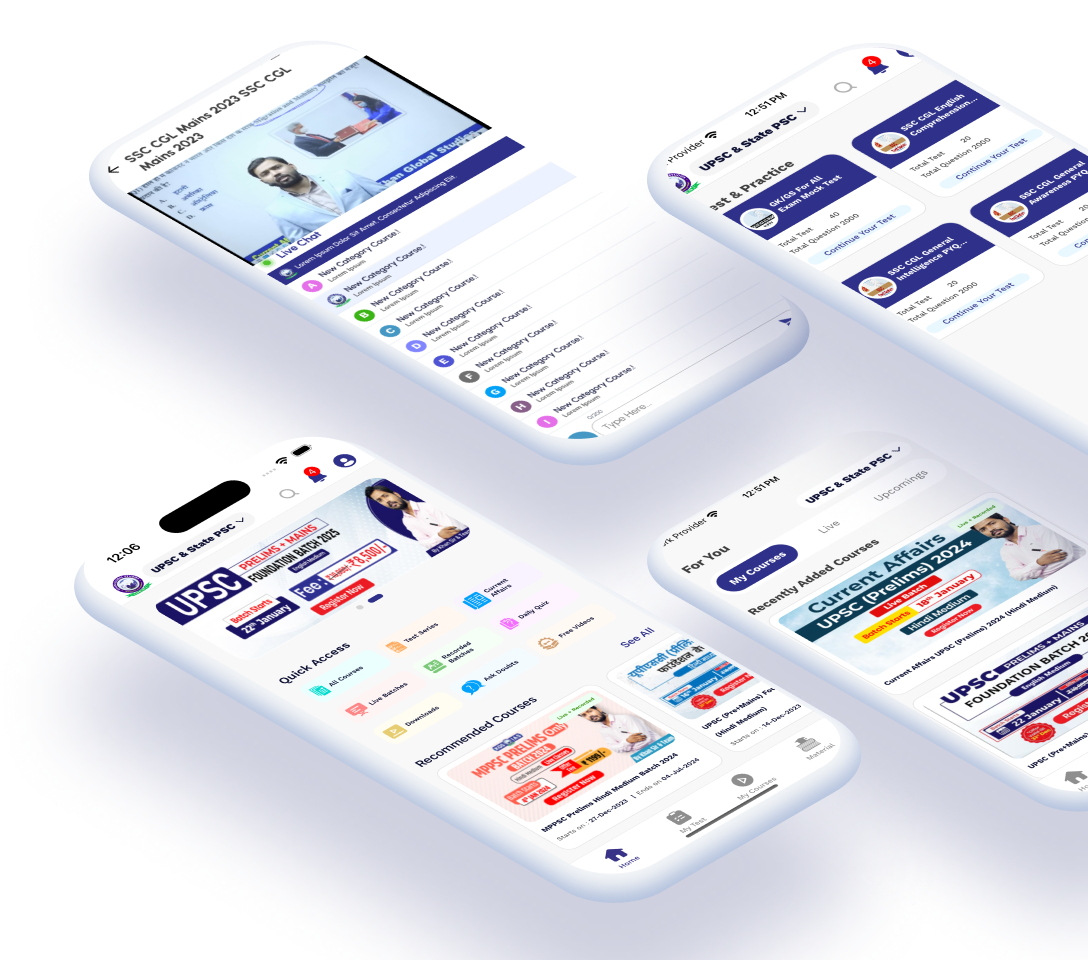
Khan Global Studies App
With our training programs, learning online can be a very exciting experience. Take the next step toward achieving your professional and personal objectives.



Course Related Query:
Ask Your DoubtsStore Related Query:[email protected]NEET | JEE | CUET
NCERT Books
Resources
We love learning. Through our innovative solutions, we encourage ourselves, our teams, and our Students to grow. We welcome and look for diverse perspectives and opinions because they enhance our decisions. We strive to understand the big picture and how we contribute to the company’s objectives. We approach challenges with optimism and harness the power of teamwork to accomplish our goals. These aren’t just pretty words to post on the office wall. This is who we are. It’s how we work. And it’s how we approach every interaction with each other and our Students.
Come with an open mind, hungry to learn, and you’ll experience unmatched personal and professional growth, a world of different backgrounds and perspectives, and the freedom to be you—every day. We strive to build and sustain diverse teams and foster a culture of belonging. Creating an inclusive environment where every students feels welcome, appreciated, and heard gives us something to feel (really) good about.